
Leading Foundation Repair Tools And Materials For Effective Fixes
Review top tools and materials that ensure efficient and lasting foundation repairs for any severity of damage.
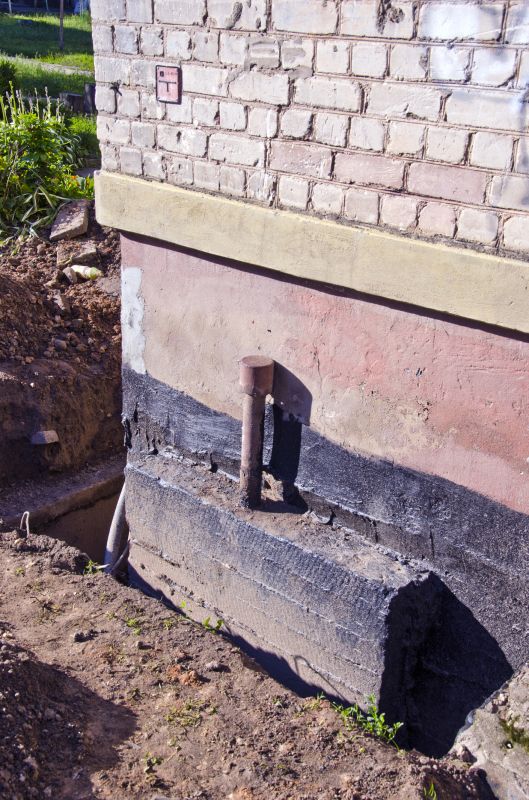 Foundation repairs are a critical aspect of maintaining the structural integrity of a building. When issues such as settling, cracking, or shifting occur, selecting the appropriate repair products can help stabilize the foundation and prevent further damage. Various products are designed to address specific foundation problems, including void fill materials, underpinning solutions, and waterproofing systems. Proper assessment and selection of these products are essential to ensure safety and longevity of the structure.
Top Overall Option
Hydraulic Piling and Underpinning Systems
Hydraulic piling and underpinning systems are versatile solutions used to stabilize and lift foundations. They work by inserting piers beneath the structure and using hydraulic pressure to lift and support the foundation. These systems are adaptable to various soil conditions and foundation types, providing a reliable method for addressing settlement and shifting issues. Properly installed, they can offer long-term stability and help prevent future damage.
Types of Products For Foundation Repairs
Epoxy Crack Injection
Used to seal and stabilize cracks in concrete foundations, epoxy injections restore structural integrity and prevent water infiltration.
Carbon Fiber Reinforcement
Applied to reinforce cracked or bowed walls, carbon fiber strips add strength and reduce movement.
Polyurethane Foam Injection
Effective for filling voids and sealing cracks, polyurethane foam expands to provide a quick fix for minor foundation issues.
Helical Piers
Helical piers are screwed into the soil beneath the foundation to provide stable support, especially in shifting soils.
Push Piers
Push piers are driven into the ground to lift and stabilize sinking foundations, suitable for various soil conditions.
Slab Jacking and Mudjacking
These methods involve injecting a slurry beneath concrete slabs to lift and level uneven surfaces.
Soil Stabilization Grouts
Grouts are injected to improve soil stability around the foundation, reducing settlement risks.
Waterproofing Membranes
Applied to exterior or interior surfaces, waterproof membranes help prevent water intrusion that can weaken foundations.
Drainage Systems
Installing proper drainage solutions reduces water accumulation around the foundation, minimizing soil movement.
Foundation Braces and Wall Anchors
These devices help stabilize bowing or leaning basement walls and prevent further deformation.
Grout and Sealant Products
Used to fill small cracks and gaps, these products help maintain the integrity of the foundation structure.
Vapor Barriers
Installed to control moisture, vapor barriers protect foundations from water damage and soil erosion.
Concrete Patching Materials
These materials repair surface damage and cracks in concrete slabs and walls.
Soil Stabilizers
Chemical stabilizers improve soil cohesion, reducing the risk of settlement or shifting.
Anchor Bolts and Support Systems
Support systems that secure walls and prevent movement caused by soil pressure.
Popular Choices
Widely used for sealing foundation cracks, epoxy sealants are popular for quick and effective repairs.
A common choice for lifting and stabilizing sinking foundations, these piers are favored for their adaptability.
Popular for interior wall stabilization, carbon fiber strips are easy to install and provide additional strength.
Effective for minor crack repairs and void filling, polyurethane foam is a go-to option for quick fixes.
These membranes are frequently used to prevent water ingress and protect foundations from moisture damage.
Installing drainage tiles around the foundation is a common method to direct water away from the structure.
Popular for leveling uneven concrete slabs, mudjacking involves injecting a supportive slurry beneath the surface.
Used to improve soil stability, these grouts are favored in areas with shifting soils.
Wall anchors are commonly selected to stabilize bowing basement walls and prevent further deformation.
These brackets provide additional support to compromised foundation elements and are frequently utilized.
Installed to control moisture, vapor barriers are a popular component in foundation waterproofing.
Used for surface repairs, these compounds are common for restoring damaged concrete surfaces.
In Barrington, Illinois, homeowners and contractors often encounter foundation concerns due to the area's soil conditions and weather patterns. Using the right repair products tailored to local conditions can make a significant difference in the effectiveness of repairs. It is important to consider factors such as soil type, foundation type, and the extent of damage when choosing repair solutions.
Foundation repair products come in many forms, from epoxy injections that seal cracks to hydraulic piers that lift and stabilize foundations. Some products are designed for interior use, while others are suitable for exterior applications. Proper installation and compatibility with existing structures are crucial for achieving optimal results. Consulting with foundation repair specialists can help determine the most suitable products for specific needs.
Investing in quality foundation repair products can help protect your property value and ensure the safety of its occupants. Regular inspections and timely repairs with appropriate materials can mitigate the risks associated with foundation issues. Whether you are a homeowner or a professional contractor, understanding the variety of available products can guide you in making informed decisions for effective foundation maintenance.
Key Buying Considerations
- Assess the specific foundation issue to determine the most suitable product type.
- Consider the soil conditions and how they may influence product effectiveness.
- Evaluate the extent of damage to choose appropriate repair solutions.
- Check compatibility of repair products with existing foundation materials.
- Prioritize products that offer long-term stability and durability.
- Ensure proper installation procedures are followed, possibly consulting professionals.
- Review product certifications and compliance with local building codes.
- Consider ease of application, especially for DIY projects.
- Evaluate the need for waterproofing or moisture control features.
- Determine if the product can be used in interior, exterior, or both areas.
- Look for products with proven track records in similar soil and foundation conditions.
- Factor in the potential for future repairs when selecting products.
- Assess the availability of technical support or customer service from suppliers.
- Review safety instructions and handling requirements for each product.